
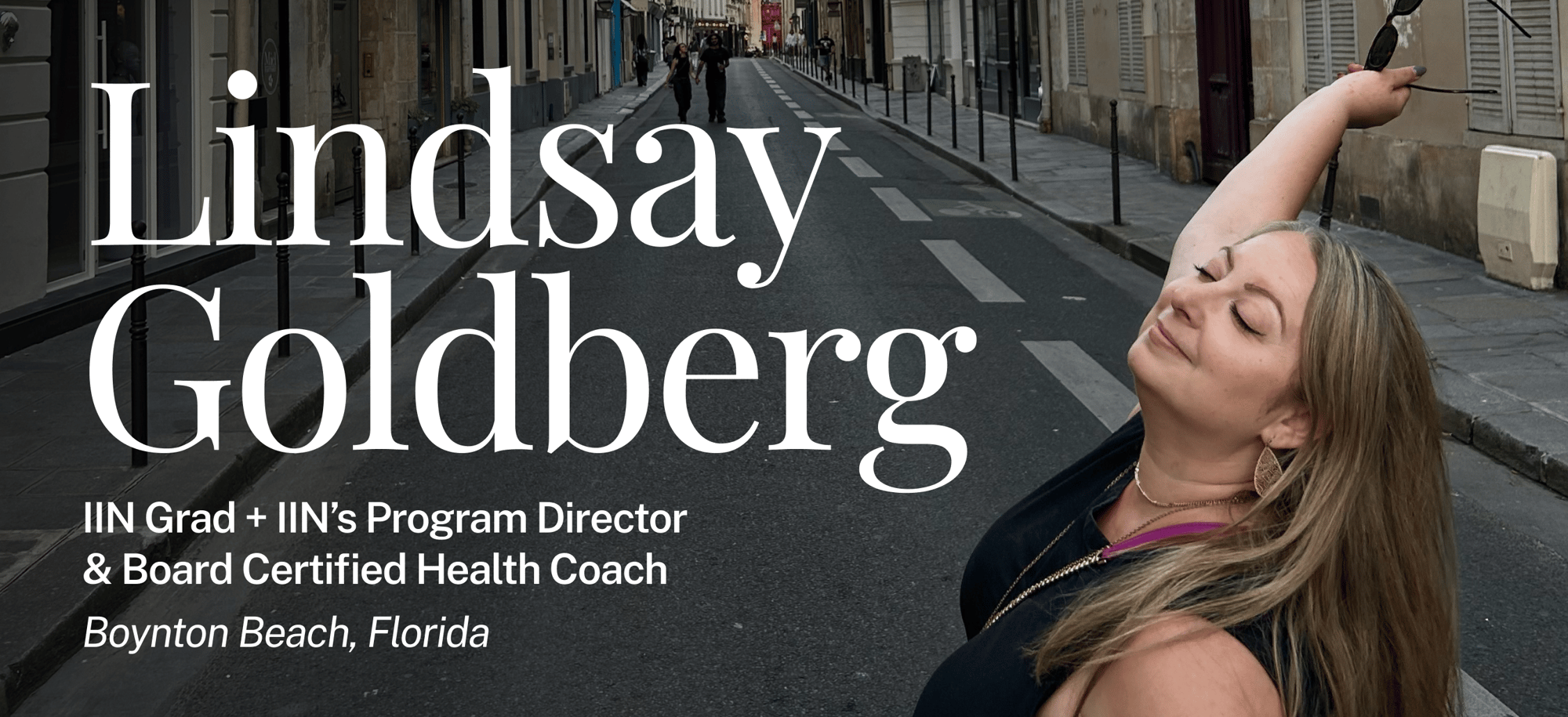
I’ve always been fascinated by the connection between mental and physical wellbeing, but early in my career as a mental health counselor, I saw how often the two were treated separately. My own journey, including an 80-pound weight loss, made me realize I wanted to help people in a more integrative way—and that search led me to IIN.

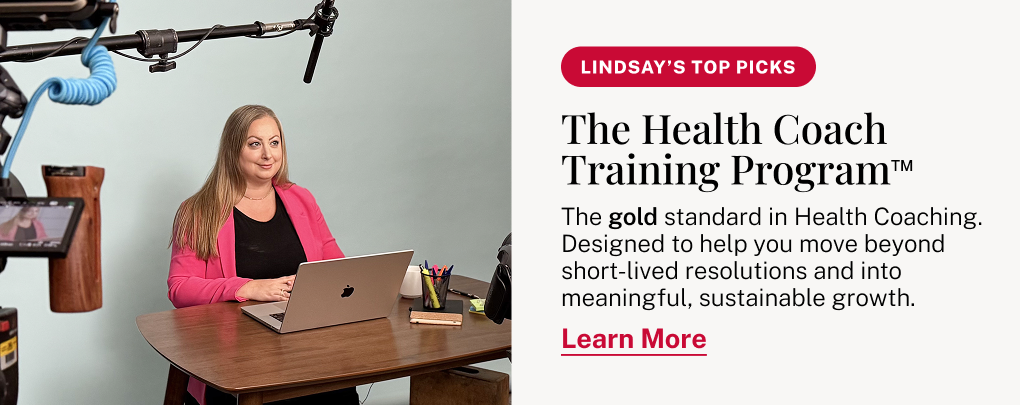
After completing The Health Coach Training Program™ I didn’t just continue my coaching practice—I joined IIN to help shape the curriculum itself, including The Health Coach Training Program and Coaching Intensive Practicum. Now, I get to help students and alumni build the skills, confidence, and credibility to transform their own lives—and the lives of their clients.
Q&A: From Practitioner to Leader
WHAT ORIGINALLY DREW YOU TO THE FIELD OF HEALTH COACHING AND MENTAL HEALTH COUNSELING?
A: I was drawn to mental health counseling because of my fascination with psychology and human behavior. Early on, I noticed many clients were disconnected from their bodies and that their mental wellbeing was intertwined with their physical wellbeing—yet in traditional counseling, the mind and body are often treated separately. At the same time, I was exploring this connection in my own life, navigating the identity shift that came with an 80-pound weight loss. I realized I wanted to help others in a more integrative way, which led me to discover health coaching.
AS A GRADUATE OF IIN’S HEALTH COACH TRAINING PROGRAM, WHAT FIRST INSPIRED YOU TO CHOOSE IIN?
A: What stood out to me about The Health Coach Training Program was the concept of primary food—the idea that all aspects of life that nourish you off the plate are just as important as the food you eat. After years of focusing on nutrition, macros, and calorie counting, yet still struggling with emotional eating, this concept was groundbreaking to me.
HOW DID YOUR EARLY WORK AS A COACH AND YOUR BACKGROUND IN MENTAL HEALTH COUNSELING SHAPE THE WAY YOU THINK ABOUT EDUCATION TODAY?
A: Working with clients showed me that education is most impactful when it adapts to the learner, not the other way around. That mirrors the principle of bio-individuality and continues to guide how I think about learning today.
WAS THERE A MOMENT WHEN YOU REALIZED YOU WANTED TO INFLUENCE THE FIELD NOT JUST THROUGH COACHING, BUT THROUGH CURRICULUM AND LEADERSHIP?
A: I began my work at IIN in 2016 as an individual contributor, hired to develop a course for alumni on coaching psychology. I was still focused on building my own coaching practice at the time. I soon realized I could have a much larger impact on the field by training the next generation of health coaches and connecting them with the tools and support they need to be successful.
Q&A: Fun Favorites
BEST DECISION YOU EVER MADE IN YOUR CAREER?
A: Taking the leap into health coaching and choosing IIN—it changed everything in ways I never could have imagined!
A BOOK OR PODCAST YOU’D RECOMMEND TO OUR COMMUNITY?
A: The Untethered Soul by Michael Singer shifted my perspective and helped me become more accepting and less reactive, which has helped me immensely in day-to-day life.
IF YOU COULD GO BACK TO WHEN YOU WERE JUST STARTING OUT, WHAT WOULD YOU TELL YOUR PAST SELF?
A: “You’ve got this!” I often let limiting beliefs and self-doubt hold me back, causing me to play small instead of putting myself out there. Imposter syndrome is just a feeling that comes with doing something new—not a sign that you aren’t good enough.
IF YOU COULD BE ANY FRUIT OR VEGGIE, WHICH WOULD YOU BE—AND WHY?
A: A sweet potato—rooted, grounded, and versatile across different seasons and situations.
WHAT ARTIST OR BAND DO YOU LISTEN TO WHEN YOU NEED A MOTIVATION BOOST?
A: Growing up in the 90s, grunge music was my favorite, so listening to Pearl Jam always helps me feel connected to my inner child.
Q&A: Shaping the Future of Health Coaching
AS IIN’S PROGRAM DIRECTOR, WHAT DOES YOUR ROLE LOOK LIKE DAY TO DAY?
A: I love that I get to wear many different hats and that every day is different. A typical day might include connecting with the IIN community on a webinar, strategizing new offerings and opportunities for students and alumni, editing new content, supporting the education team, meeting with current and potential partners, and staying on top of industry trends.
HOW DO YOU APPROACH CURRICULUM DEVELOPMENT TO ENSURE IT’S RELEVANT FOR TODAY’S HEALTH COACHES?
A: I always start by listening to practicing coaches, students, and industry developments. From there, I work with my team to apply strong instructional design to turn those insights into structured, engaging, and applicable learning. Rigor comes from evidence-based learning principles, while relevance comes from real-world applications.
WHY IS PROFESSIONAL CREDIBILITY SUCH AN IMPORTANT PIECE OF BUILDING A SUSTAINABLE COACHING CAREER?
A: Professional credibility allows coaching to stand alongside other helping professions with confidence and integrity. It builds a field that is respected, trusted, and built to last. On the individual level, professional credibility builds trust, and trust is the cornerstone of any strong coaching relationship.
YOU WORK CLOSELY WITH ACCREDITORS, HIGHER EDUCATION INSTITUTIONS, AND PROFESSIONAL ORGANIZATIONS. WHY ARE THESE PARTNERSHIPS SO IMPORTANT FOR THE FUTURE OF HEALTH COACHING?
A: There are many reputable coach training programs—and unfortunately, many that are not. Accreditation is third-party verification that you were trained in evidence-based best practices and that your education equipped you with the necessary skills to provide quality coaching services. Graduating from an accredited program boosts your credibility and allows future clients, partners, and employers to see that you worked hard to become a skillful coach.
HOW DO YOU SEE THE ROLE OF EDUCATION EVOLVING AS THE WELLNESS INDUSTRY CONTINUES TO GROW?
A: There’s no shortage of information on wellness, and many conflicting theories exist side by side. Education that builds critical thinking skills and helps learners apply knowledge to their own lived experience will be instrumental for the future of wellness, which will be increasingly personalized.
Q&A: Perspective & Wisdom
WHAT’S ONE MISCONCEPTION ABOUT HEALTH COACHING OR THE PROFESSION THAT YOU’D LOVE TO REFRAME?
A: Health coaching isn’t about information sharing; it’s about facilitating client-led transformation. The role of a health coach is not to give meal plans, prescribe supplements, or tell clients what to do. It’s about helping them take small, sustainable steps to achieve their wellness vision in ways that work best for them.
WHAT DO YOU WISH MORE ASPIRING COACHES UNDERSTOOD BEFORE STARTING THEIR EDUCATION?
A: Coaching skills are life skills. Learning active listening, asking high-mileage questions, practicing presence, and deepening self-awareness doesn’t just make you a good coach—it makes you a better human. The coaching skills you learn in training will help you become a better parent, partner, coworker, manager, and friend.
WHAT ADVICE WOULD YOU GIVE TO ALUMNI WHO ARE BUILDING CREDIBILITY AND CONFIDENCE IN THEIR CAREERS?
A: You don’t need to have all the answers! Nor do you need the perfect logo, a fancy website, or a large social media following. Just get out there and start working with clients—even if it feels scary. The more you do this, the more confident you become.
Q&A: Balance & Purpose
HOW DO YOU PERSONALLY CARE FOR YOUR OWN WELLBEING WHILE WORKING IN SUCH A DYNAMIC, FAST-PACED ROLE?
A: Prioritizing restful sleep is critical to my wellbeing and success. With a good night’s sleep, my energy is steady and focused, allowing me to show up fully present for my team and students.
WHAT HELPS YOU STAY GROUNDED AND CONNECTED TO YOUR PURPOSE?
A: A daily walk in nature with a great playlist gets me out of my head and back into my body. It helps me process emotional chatter and is when I get my best ideas.
WHAT’S ONE HABIT OR PRACTICE THAT SUPPORTS YOU BOTH PROFESSIONALLY AND PERSONALLY?
A: I start my morning with a 10-minute sound bowl meditation and gentle stretching. Connecting with myself this way helps support my nervous system, which sets the tone for the day ahead.
Q&A: Reflection & Looking Ahead
WHAT HAS BEEN THE MOST REWARDING PART OF YOUR JOURNEY WITH IIN SO FAR?
A: Hearing feedback from students and grads about how studying at IIN transformed their lives—whether by overcoming a health challenge, launching a fulfilling career, or reconnecting with joy—lights me up and reminds me that I am living a life of purpose. What a privilege!
LOOKING BACK, WHAT ARE YOU MOST PROUD OF IN YOUR WORK?
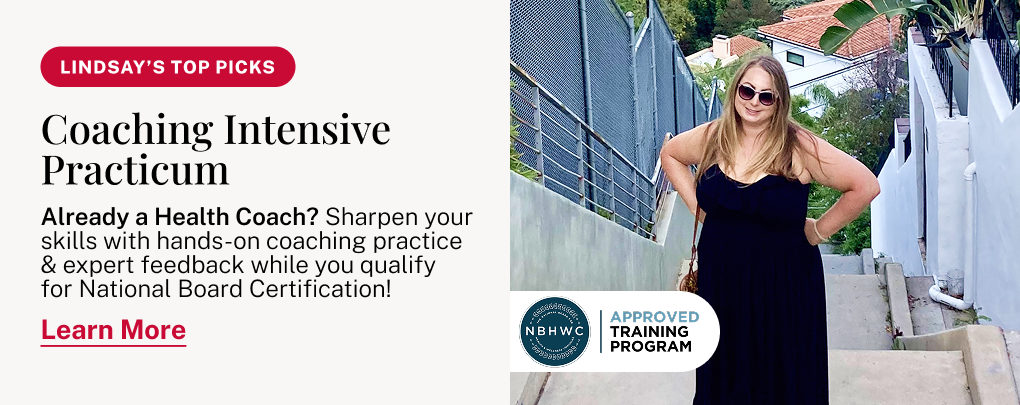
A: Building and refining the Coaching Intensive Practicum has been incredibly meaningful. Watching it grow into an accredited, professionally aligned experience—and doing that alongside an incredible education team—has been so rewarding. I love seeing the confidence and competitive edge it gives our graduates.
WHAT ARE YOU MOST HOPEFUL OR EXCITED ABOUT FOR THE FUTURE OF HEALTH COACHING?
A: When I became a health coach in 2014, the field was in its infancy, with few career paths beyond opening your own practice. Today, health coaches are entering health tech, wellness tourism, corporate settings, and more. The role of the health coach is becoming better understood and valued by both the public and the medical community. There is immense opportunity as the field continues to grow.
Published: February 6, 2026
Updated: February 6, 2026